
How to Choose Amino Acid Ingredients — Fermentation and Uses
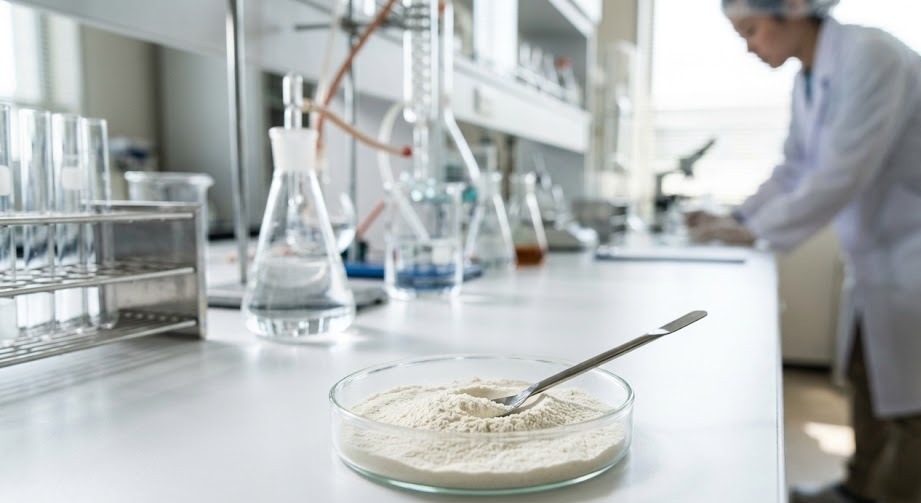
Amino acids are core raw materials used widely in supplements, functional foods, and feed. Here are the key points for selection.
Production — Fermentation is Mainstream
Most amino acids are produced by microbial fermentation. Applications and specifications differ by optical isomer (L/D) and salt/hydrate form.
Examples by Use
BCAAs (valine, leucine, isoleucine) and EAAs are used in sports nutrition, while glycine and theanine are used in food and functional applications.
Related: Amino Acid ingredients
FAQ
What production methods exist for amino acid ingredients?
Fermentation, extraction, and synthesis. Microbial fermentation is now mainstream and is easy to position as plant-based/non-animal-derived.
Which amino acids are used for sports nutrition?
BCAAs (valine, leucine, isoleucine), EAAs (essential amino acids), and standalone L-leucine are typical. Fast-dissolving types are also in demand.
Why does optical purity (L-form) matter?
The body mainly utilizes L-form amino acids. Confirming the L-form and optical purity in the specification ensures functionality and safety.