
Imported Ingredient Regulatory Checklist|Food Sanitation Act & Key Items
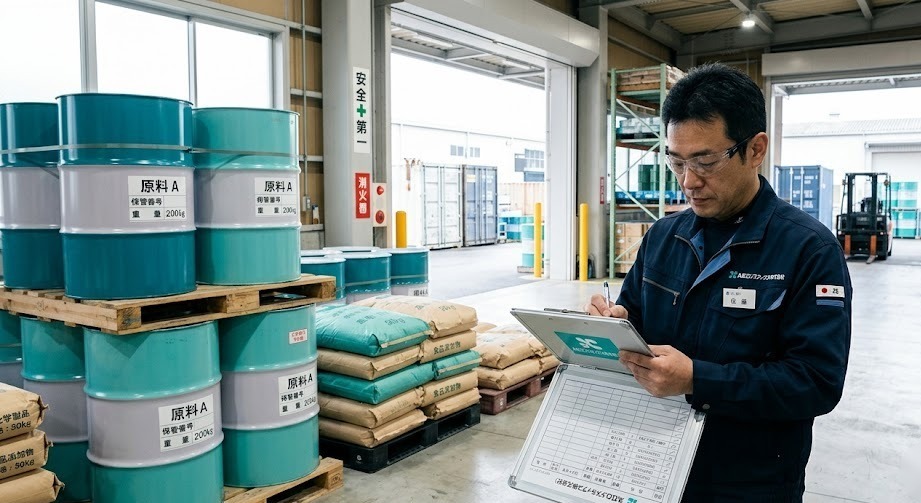
Items to check (checklist)
- Legality under the Food Sanitation Act (is it a designated additive; are there use standards)
- Conformance to standards (residual pesticides, heavy metals, microbes)
- Whether a food import notification is required
- Origin, manufacturer, and manufacturing process
- Allergen and GMO labeling information
Required documents
Spec sheets, COAs, manufacturing process flow charts, and certificates of origin are needed. For residual pesticides, conformance under the Positive List system must be confirmed.
Practical points
Doing regulatory checks early at first import prevents later rework. An additive usable abroad may not be usable in Japan, so always confirm its designation status in Japan and consider alternatives if not permitted. FONTIA supports regulatory checks for imported ingredients (Quality & Compliance).
FAQ
Who files the food import notification?
The importer files a food import notification with the quarantine station. Scope and procedures vary by item.
What if an additive usable abroad is not usable in Japan?
Check its designation status in Japan. If not designated, it cannot be used, so consider an alternative ingredient.
How do I confirm residual pesticide standards?
Confirm conformance to the limits under the Positive List system, using the COA and related documents.