
Category: Regulation & Quality
- Allergen Labelling: the April 2026 Revision — 9 Specified Raw Materials, 20 Equivalent Items
On 1 April 2026, cashew nut was added to Japan's specif…
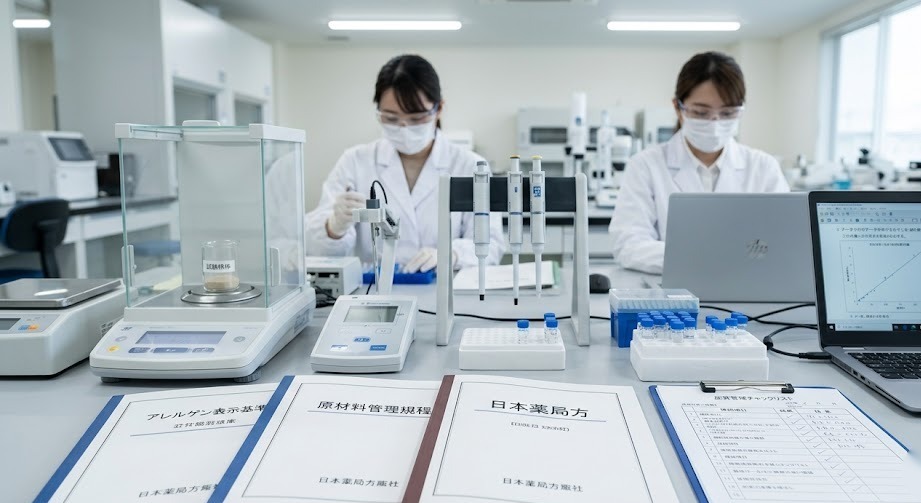 Allergen Labeling and Ingredient Management — Specified Ingredients
Allergen labeling under the Food Labeling Act (specifie…
 What Is the Food Sanitation Act? Basics for Handling Ingredients
The Food Sanitation Act is Japan's basic law for food s…
 What Is a CAS Number?|Why It Matters in Ingredient Sourcing
A CAS number uniquely identifies a chemical substance. …
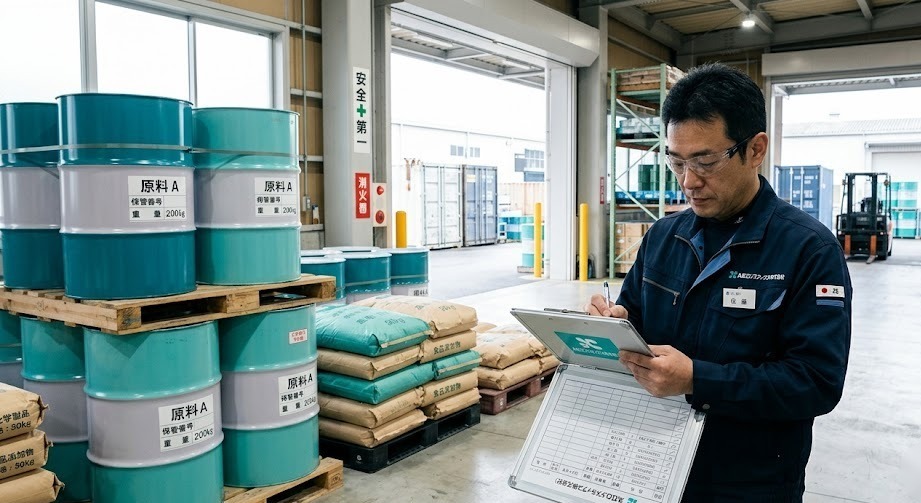 Imported Ingredient Regulatory Checklist|Food Sanitation Act & Key Items
Key regulatory checks for handling imported ingredients…
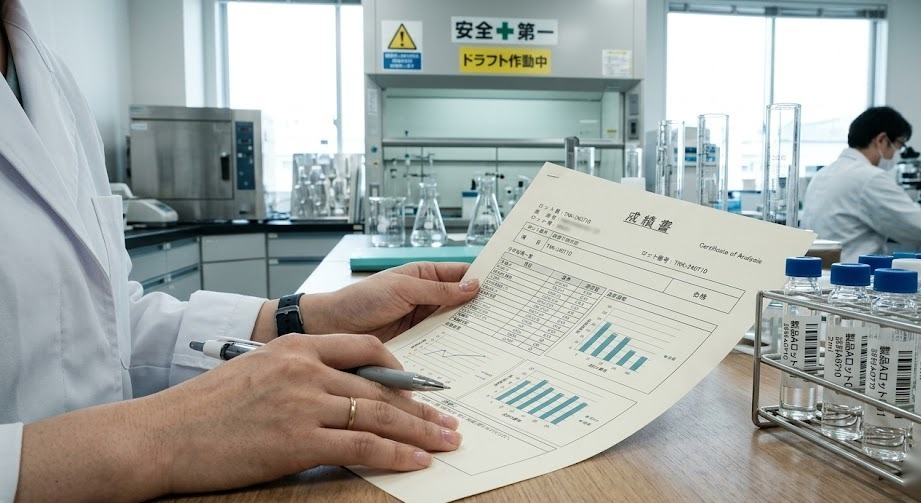 How to Read a COA (Certificate of Analysis)|Items to Check in B2B Sourcing
A COA shows lot-by-lot quality. Learn its key items—ass…
 Ingredients Usable for Foods with Function Claims|Conditions & Practice
Notifying a Food with Function Claims requires a standa…
 What Are the Japanese Standards for Food Additives? Reading Spec Compliance
The Japanese Standards for Food Additives define the sp…
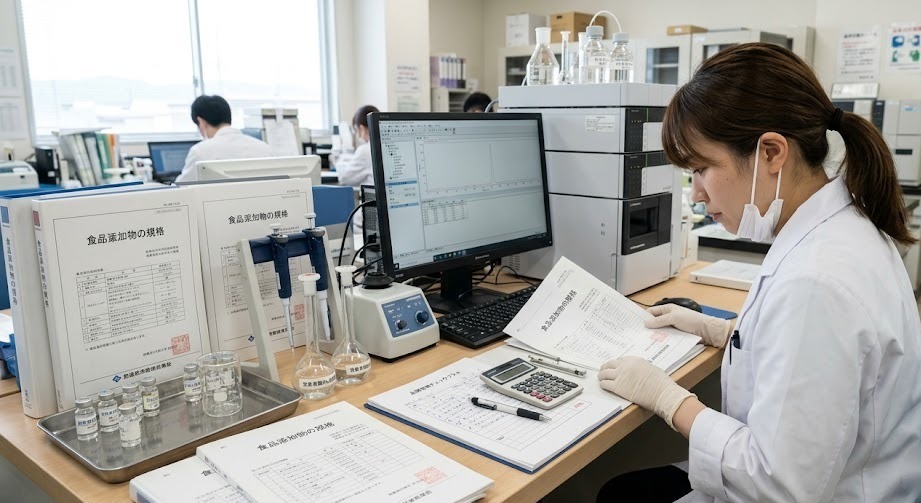 Basics of Food Additive Specifications and CAS Numbers
An introduction to "specifications," "official standard…